Louvre Security Under Scrutiny After Brazen Jewel Theft by Construction-Disguised Crew
Security Under Scrutiny as Louvre Faces New Theft After Infamous 1911 Case
French Actor Pierre Niney's Five-Day Mountain Retreat Sparks Social Media Buzz
French Authorities Investigate Professional Theft of Royal Gems From Louvre Museum
French Senator Gilbert Bouchet Dies After Championing ALS Reform
Central Bank Paradox: Digital Payments Rise While Cash Holdings Grow as Crisis Buffer
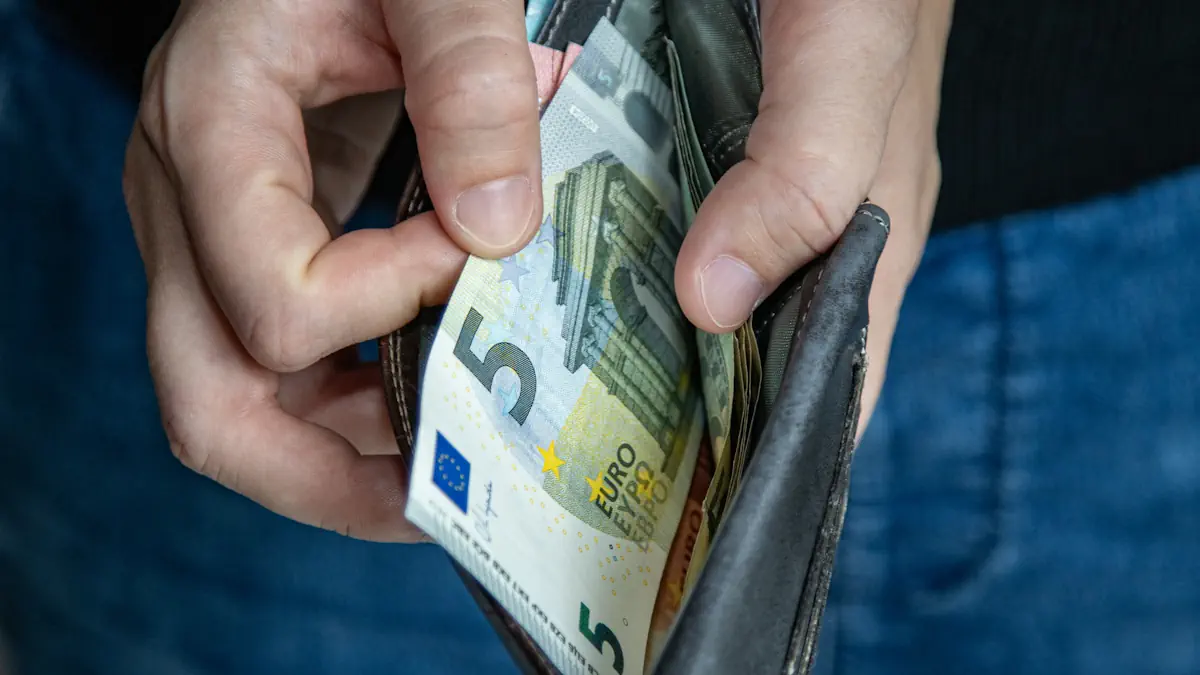
The European Central Bank has issued an unprecedented recommendation urging households to maintain cash reserves at home as a precaution against major instability. In a study published this week, the ECB described banknotes as a "monetary airbag" capable of ensuring vital transactions when electronic networks falter. The central bank advises keeping the equivalent of three days of essential expenses, or €70 to €100 per person, in small denominations readily available.
This guidance comes despite the accelerating shift toward digital payments across the eurozone. The ECB's analysis points to recent crises—including the pandemic, the conflict in Ukraine, and power outages—that have triggered rushes toward cash when electronic systems became unreliable. The institution emphasizes that electronic payment systems are not "infallible," citing examples from April when Spain, Portugal, and parts of France experienced electricity cuts that rendered payment terminals and ATMs unusable in some areas.
The recommendation highlights what the ECB terms the "banknote paradox": while cash use for daily purchases declines, its role as a store of value strengthens during periods of stress. Data show that despite the rise of cards and payment apps, the value of banknotes in circulation in the euro area has experienced robust growth, regularly exceeding 10% of GDP. The study notes that demand for banknotes spikes during major crises, as seen during the 2008 financial crisis, the Greek debt crisis, and the COVID-19 pandemic.
Several EU governments, including those of the Netherlands, Austria, and Finland, have already issued similar advice to their citizens. The ECB's recommended amount aligns with the European Commission's March suggestion of a 72-hour survival kit for future crises or potential disruptions to public services. By advocating for personal cash reserves, the central bank aims to provide households with a low-cost protection measure against systemic instability.